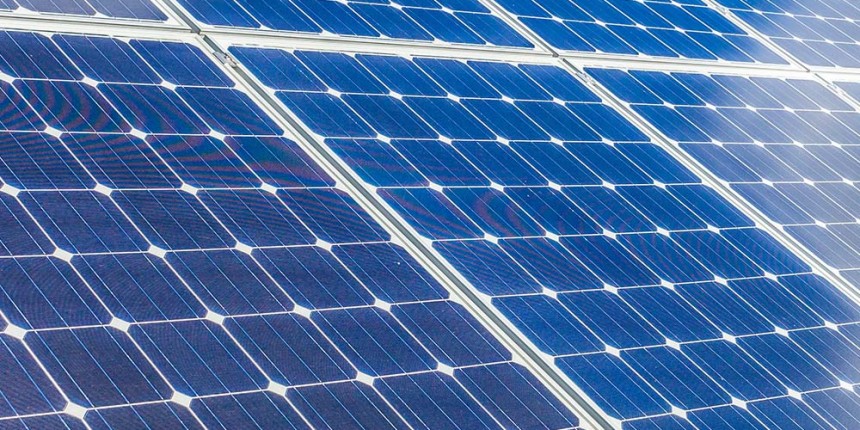
Solar cells with defects may (surprisingly) increase efficiency
Surprising findings being tested
Researchers at the National Renewable Energy Laboratory (NREL) are in the midst of testing unexpected theory — that defects in solar cells may actually improve performance.
NREL scientists are using findings first published in this study to determine the validity of these strange findings by performing advanced simulations using a supercomputer and resources at the National Energy Research Scientific Computing Center (NERSC).
HPC helps @NREL scientists find that defects in silicon solar cells may improve performance: https://t.co/z3Mrh6gbc8 pic.twitter.com/lVe0usM9Jk
— NERSC (@NERSC) March 26, 2016
Not all defects are equal
As it turns out, “deep-level defects” often do what would be expected — decrease the efficiency of solar cells. But through advanced testing, NREL scientists have already discovered that specific defects to solar cells can actually increase the efficiency of those solar cells.
Finding the “right” defect
Scientists are still working on determining which specific defects result in the most beneficial outcome from a power generation standpoint, so additional research is still needed.
This research, which is funded by the U.S. Department of Energy (DOE), will undoubtedly contribute to the ultimate goal of reaching record efficiency in silicon solar cells — a goal that many scientists and researchers are working toward.
See also: Transparent solar cells, coming soon?
Orginally published on → E-Wisdom