
Renewable energy consumption highest in nearly 80 years
A recent report from the U.S. Energy Information Administration (EIA) detailed how in 2014 renewable energy sources accounted for the largest share of overall energy consumption since the 1930s.
Back in the 1930s, wood was a large contributor to domestic energy supply, and thus the share of overall energy production attributed to renewables was also relatively large.
In 2014, hydroelectricity was the largest source of renewable energy, followed by wood. But the increasing share of overall energy production attributed to renewable sources was largely due to growing use of wind, solar, and biofuels.
Wind energy grew from 70 trillion Btu in 2001 to more than 1,700 trillion Btu in 2014. During the same period, solar energy (solar thermal and photovoltaic) grew from 64 trillion Btu to 427 trillion Btu, and the use of biomass for the production of biofuels grew from 253 trillion Btu to 2,068 trillion Btu. EIA
Residential solar installations making an impact
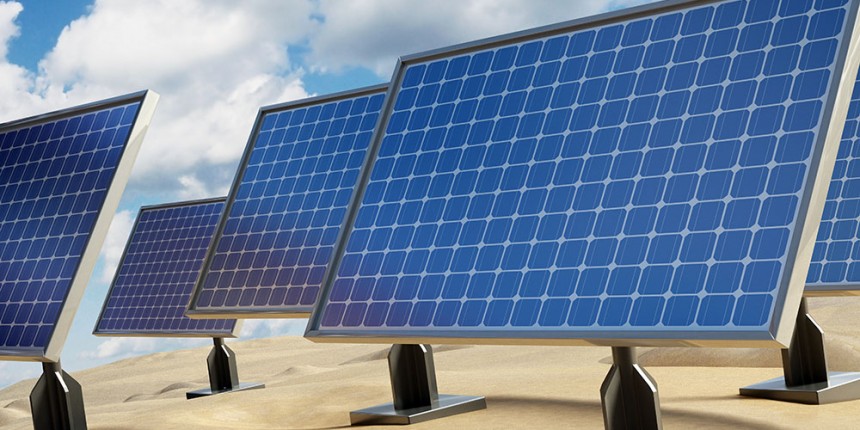
The EIA specifically noted that an increase in solar panel installations in the residential sector is having a large impact on the growing contributions of renewable energy to overall energy consumption in the country.
A greater use of wood for home heating and steadily growing installation of solar systems are the main contributors to increasing renewable energy consumption in residential buildings and, to a lesser extent, in commercial buildings. EIA
Yearly increases of 5 percent seen
According to the EIA, use of renewable energy in the U.S. grew an average of 5 percent per year between in 2001 and 2014. Additionally, more than half of all renewable energy was used to generate electricity in 2014. About 13 percent of electricity consumed that year came from renewable sources.
Source → EIA#Renewable #energy sources provide 13% of #US #electricity http://t.co/RfbERSwLmw #EnergyFacts #EIARenewableFacts pic.twitter.com/sKiup8h5VW
— EIA (@EIAgov) February 14, 2015